By FcForged Editorial Team
To choose a custom forged wheel supplier, compare its proposed specification, supporting evidence and written responsibilities against the same project brief. A useful proposal should make the product scope, approval process and commercial responsibilities clear. A short price message rarely provides enough information to compare two options fairly.
If you are sourcing wheels for a brand, dealership or tuning business, use the following seven checks to prepare your discussions. It also works for a private buyer commissioning a specific design. The aim is to leave each conversation with written answers that you can review before making a commitment.
Start with a project brief
Give each custom forged wheel supplier the same project brief so the proposals can be compared fairly. Describe your target vehicle applications, preferred designs, intended use and the number of wheels or sets you are considering. Separate confirmed requirements from ideas that still need discussion.
For a business project, explain who the wheels are for and how you plan to sell them. If branding, packaging or a distinct product design matters, put it in the brief. Ask whether those requests are within the supplier’s actual service scope. Do not assume that accepting a custom order automatically includes a private label program.
For a starting point, use our custom forged wheel quote checklist to organize the details for your first discussion.
Identify who is responsible for the work
Confirm who is responsible for design, production, inspection and customer support before comparing suppliers. Ask your custom forged wheel supplier which tasks it performs and which involve other parties.
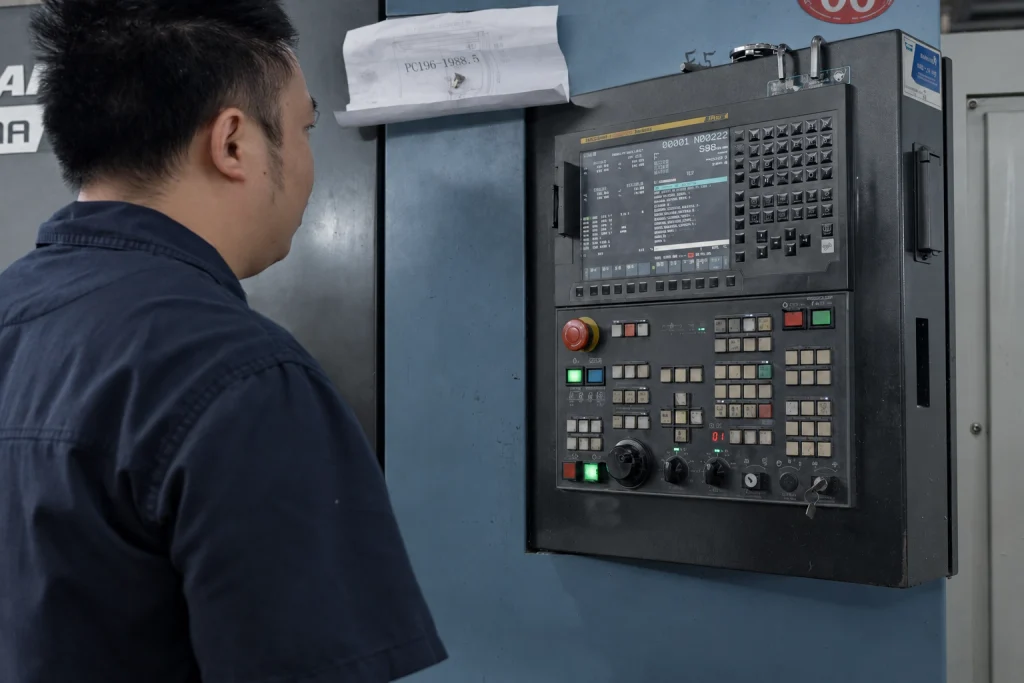
Write down who will answer technical questions and approve changes. If a drawing, finish or specification changes after you accept a proposal, agree on how the revised version will be identified. This gives both parties a clear reference when discussing what was approved and what should be delivered.
Agree on a sample and specification process
A sample approval should identify exactly what has been accepted and what remains open. Agree whether the review covers appearance, the specification, packaging or supplied documentation. Ask which aspects of the sample represent the proposed production order and which still need confirmation.
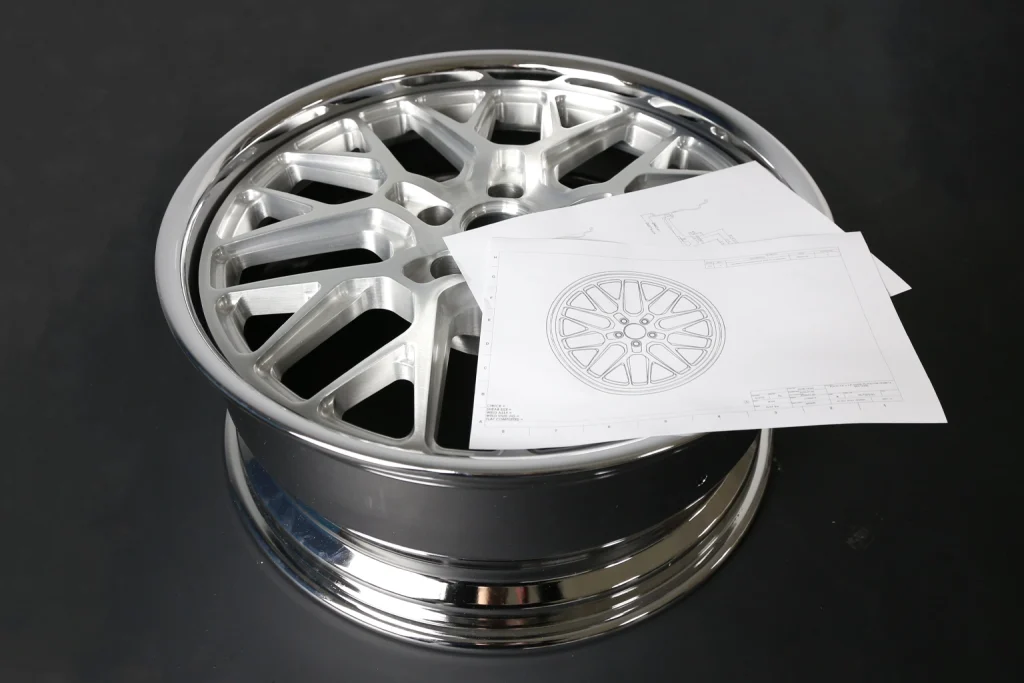
Keep the approved specification and any agreed exceptions together. A photo can help communicate a preferred finish or style, but technical suitability needs its own review. For a particular vehicle, ask how the supplier will establish the fitment requirements and which information it needs from you or your installer.
Ask for documentation tied to the product
Treat a claim as supported only when its documentation applies to the wheel configuration under discussion. If a supplier refers to a test, material specification or certification, request the supporting document. Check the covered product, evaluation date, scope and issuing organization. Ask for clarification when any of these details are missing.
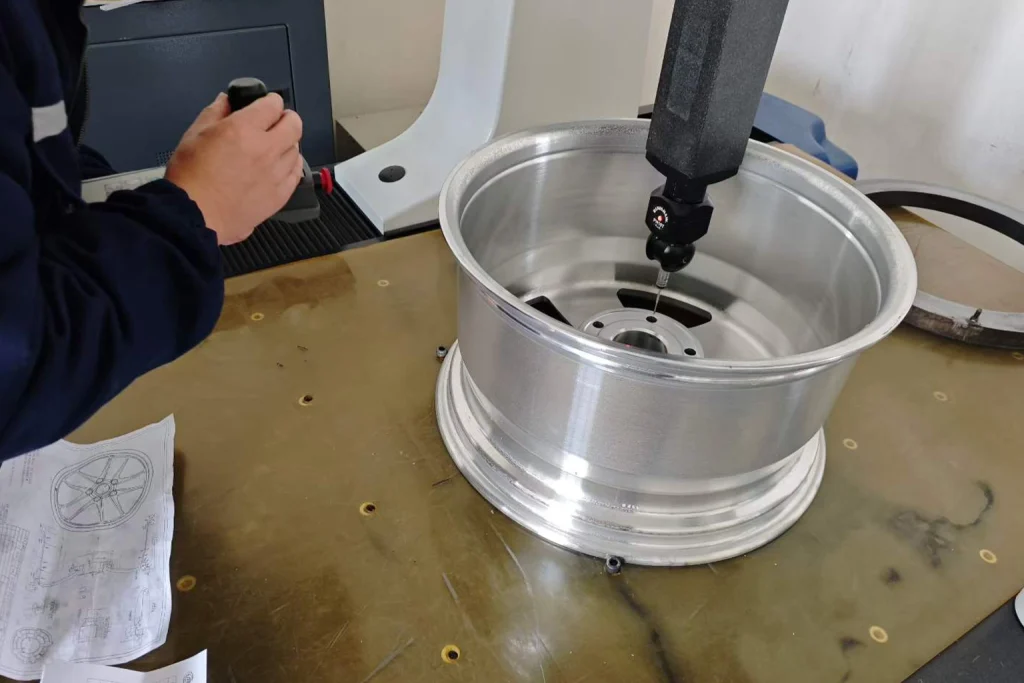
Keep performance claims separate from the evidence offered for them. A logo on a website does not explain the scope of a report. Likewise, a document for one product does not, by itself, establish that every size, material or configuration has been assessed in the same way.
If a custom forged wheel supplier refers to ISO certification, read ISO’s guidance on certification to understand the role of independent certification bodies. Request the actual certificate and confirm its scope; do not treat it as a substitute for the product documentation discussed above.
Compare the full commercial proposal
Compare the complete written proposal, including exclusions, rather than the quoted wheel price alone. Confirm the configuration, finish, quantity, packaging and delivery arrangements, together with design or sample charges. Ask which costs are fixed and which will be confirmed later.
Discuss the proposed schedule and its starting point. Does a production estimate begin after payment, drawing approval or another event? Ask how changes could affect the schedule. For an international order, clarify the destination and the delivery responsibilities so that you can compare proposals on a consistent basis.
Also request the after-sales terms before ordering. Identify the contact for a problem, the information required to investigate it and the process for reaching a resolution. Keep those terms with the quotation instead of relying on a brief verbal assurance.
Check how the supplier handles questions
A useful supplier response separates confirmed information from open questions and records the next action. Check whether answers address your application and whether revised requirements appear in the proposal. Unexplained assurances should remain unresolved items in your comparison.
A useful response does not need to agree with every request. It should explain what can be considered, what information is missing and what the next step would be. A clear reason for needing more vehicle information is more useful than an unsupported promise that a design will fit.
Custom forged wheel supplier comparison: your next step
Compare suppliers using the same seven checks below, then follow up on missing evidence before placing an order. Keep the answers with the proposed specification and quotation so that everyone can review the same version.
- Project brief: Record the vehicle applications, intended use, quantity and agreed specification.
- Responsibilities: Name the contacts responsible for design approval, production, inspection and support.
- Sample approval: List what the sample represents, what has been approved and any exceptions.
- Product documentation: Record the documents received, the configuration they cover and any unresolved claims.
- Commercial proposal: Compare included costs, exclusions, delivery responsibilities, timing assumptions and after-sales terms.
- Communication: Note unanswered questions, changes requested and the supplier’s explanation of the next step.
- Follow-up decision: Assign each remaining question to a contact and record what must be confirmed before ordering.
Discussing a project with FcForged
FcForged is a factory-direct manufacturer specializing in custom forged wheels. We offer 1-piece, 2-piece, 3-piece and other custom wheel solutions for private customers, wheel brands, distributors and shops. Business projects can include OEM, ODM and private-label services, with branding, center caps and packaging discussed as part of the project.
Orders start from one wheel. The material, dimensions, structure and fitment still need to be confirmed for the application. Our custom process includes a review of the vehicle requirements and final drawings and specifications before production begins.
Explore our wheel designs and prepare a project brief with your target applications, preferred design, quantity and the questions you want to resolve.
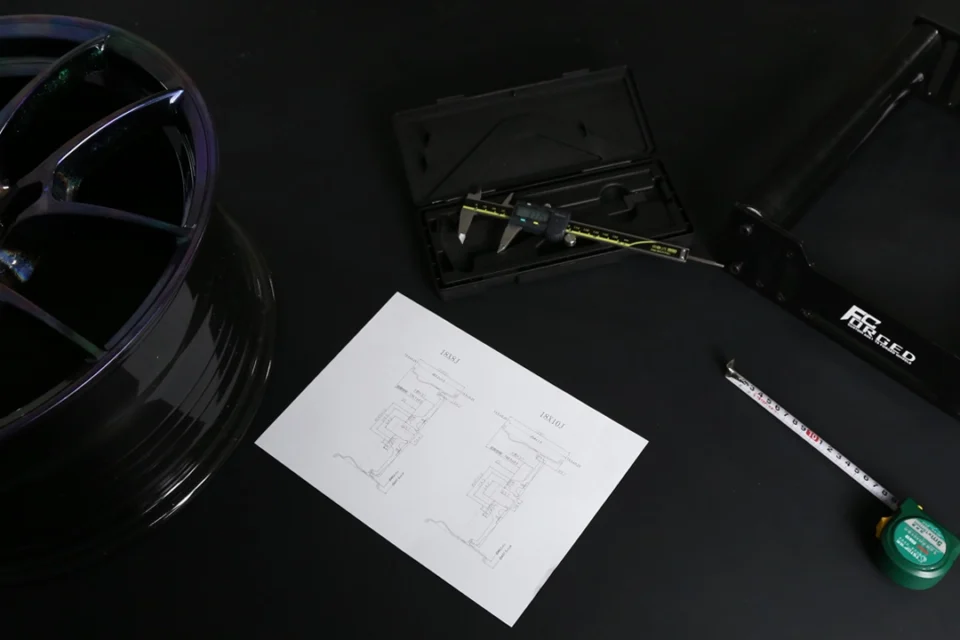
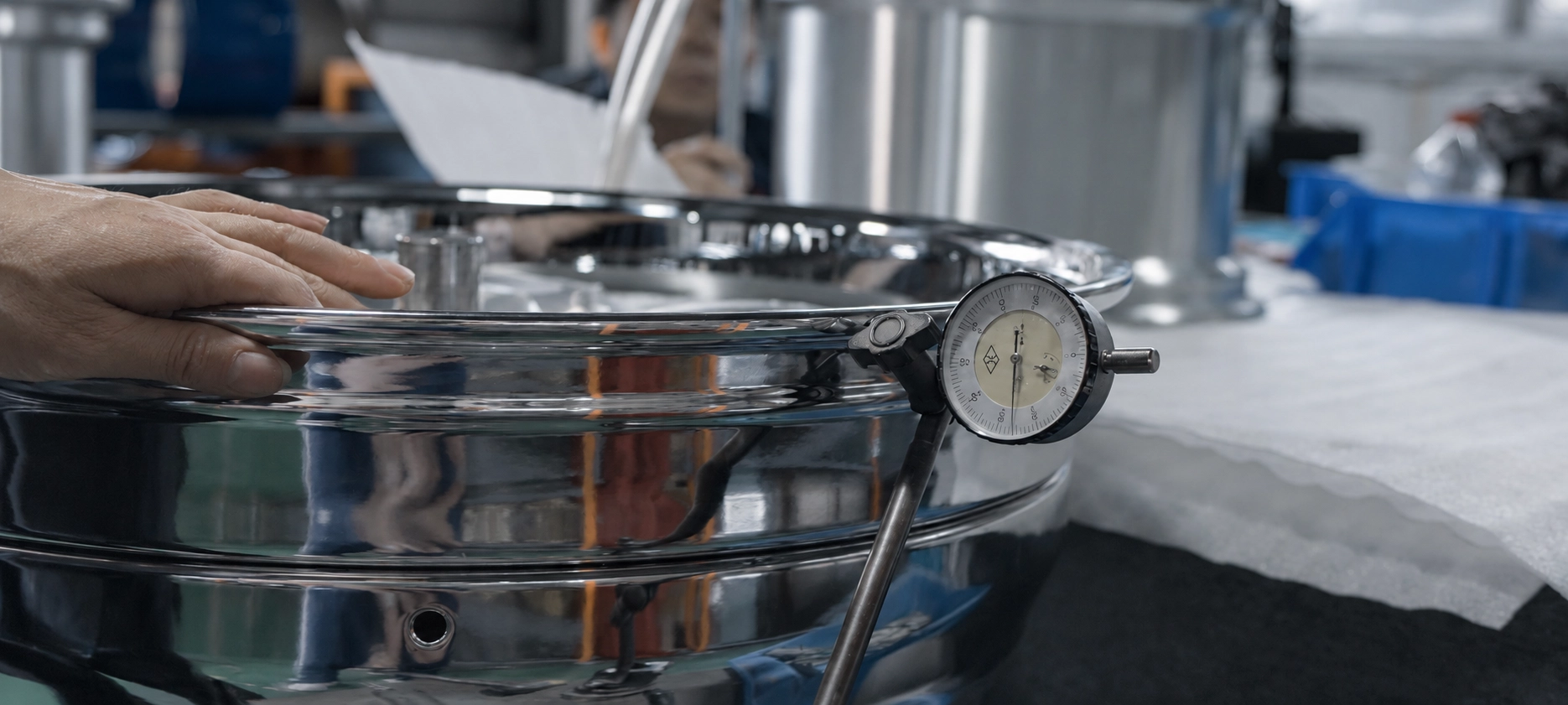
The workshop, sample and inspection photographs in this guide were taken by FcForged. Inspection photographs illustrate the process; request the documents relevant to your proposed wheel configuration when reviewing a product claim. Reading time is an estimate for the text.