When comparing monoblock vs 2-piece wheels, start with the configuration you need. Compare construction, confirmed fitment, appearance, documented weight and load requirements, service support and the complete quote. The useful choice is the specific wheel that meets your project requirements.
What changes between monoblock and 2-piece wheels?
A forged monoblock wheel has its center and rim formed as one structural piece. A two-piece wheel has a separately made center and rim joined into an assembly. That difference tells you how the wheel is constructed; it does not give you its finished weight, load rating or approved vehicle fitment.
For a documented monoblock example, Forgeline describes machining the entire wheel from a single forging. For a two-piece proposal, ask how the center and rim are each manufactured and how they are joined. The piece count alone does not establish the manufacturing process of both components.
Two-piece construction can involve welding or structural fasteners, as described in Variant’s construction guide. Vossen x Work documents a welded two-piece series, illustrating why “two-piece” should not automatically be read as “a wheel you can unbolt and rebuild.” These are examples of other manufacturers’ designs; the joining method and service options for your proposed wheel need their own confirmation.
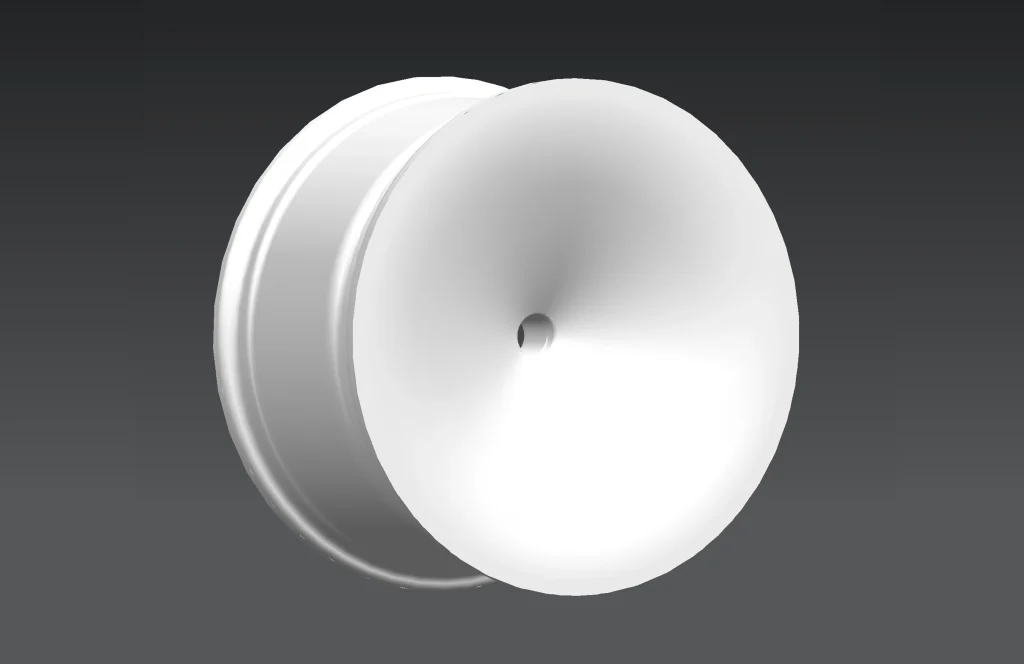
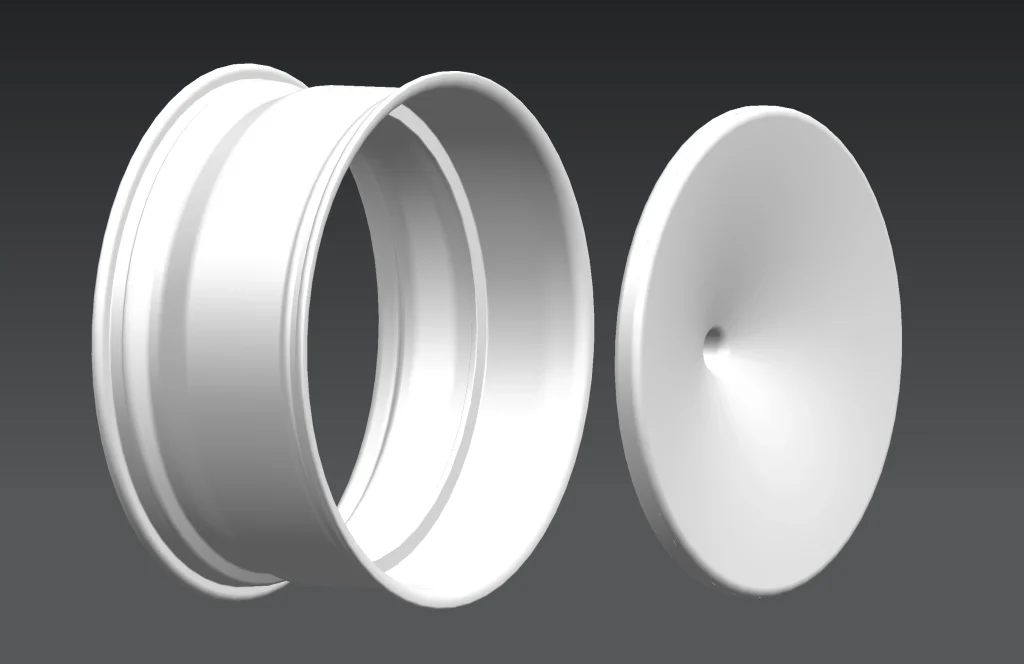
Use the construction labels to shortlist designs, then check the specifications for each model. You can browse FcForged monoblock wheels and 2-piece wheels as starting points for that comparison.
Compare the fitment and appearance you are actually ordering
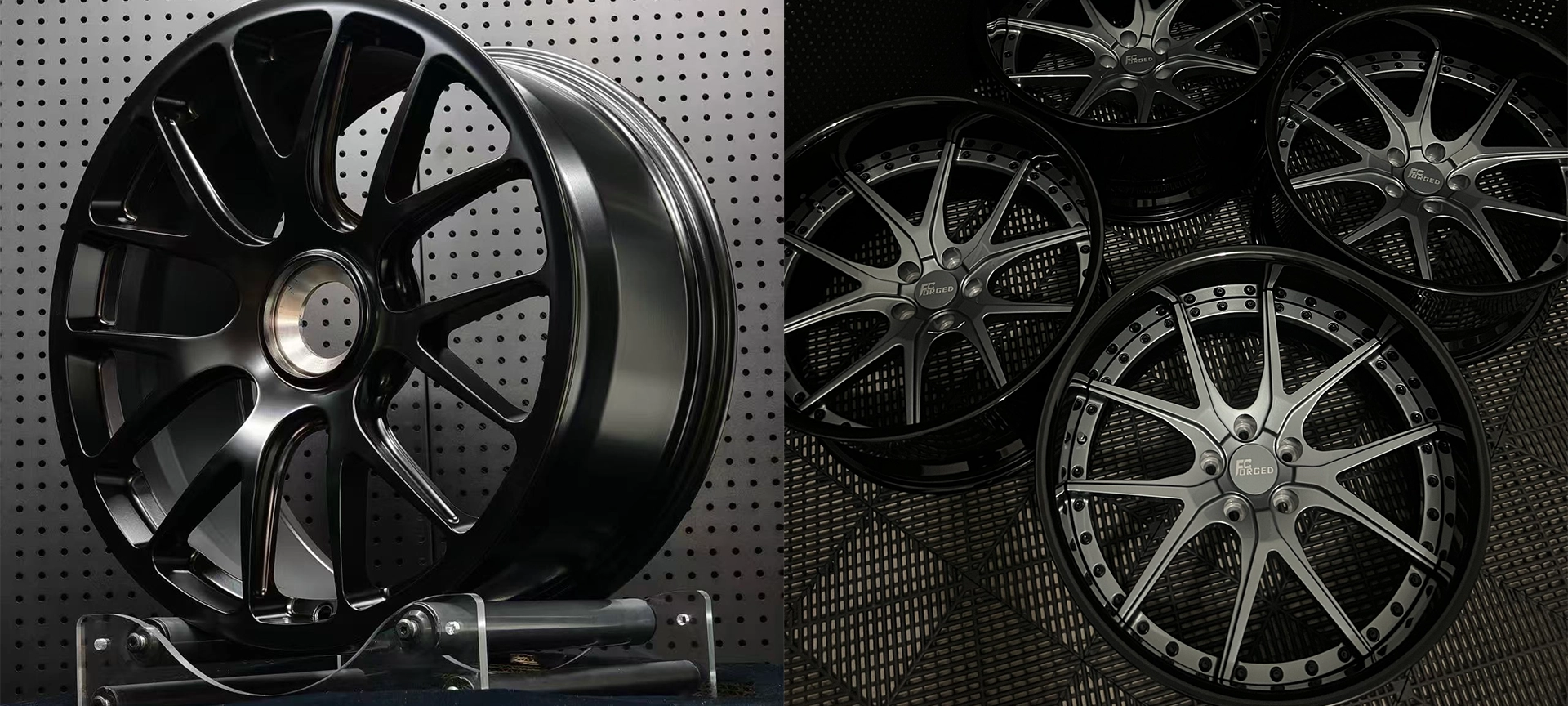
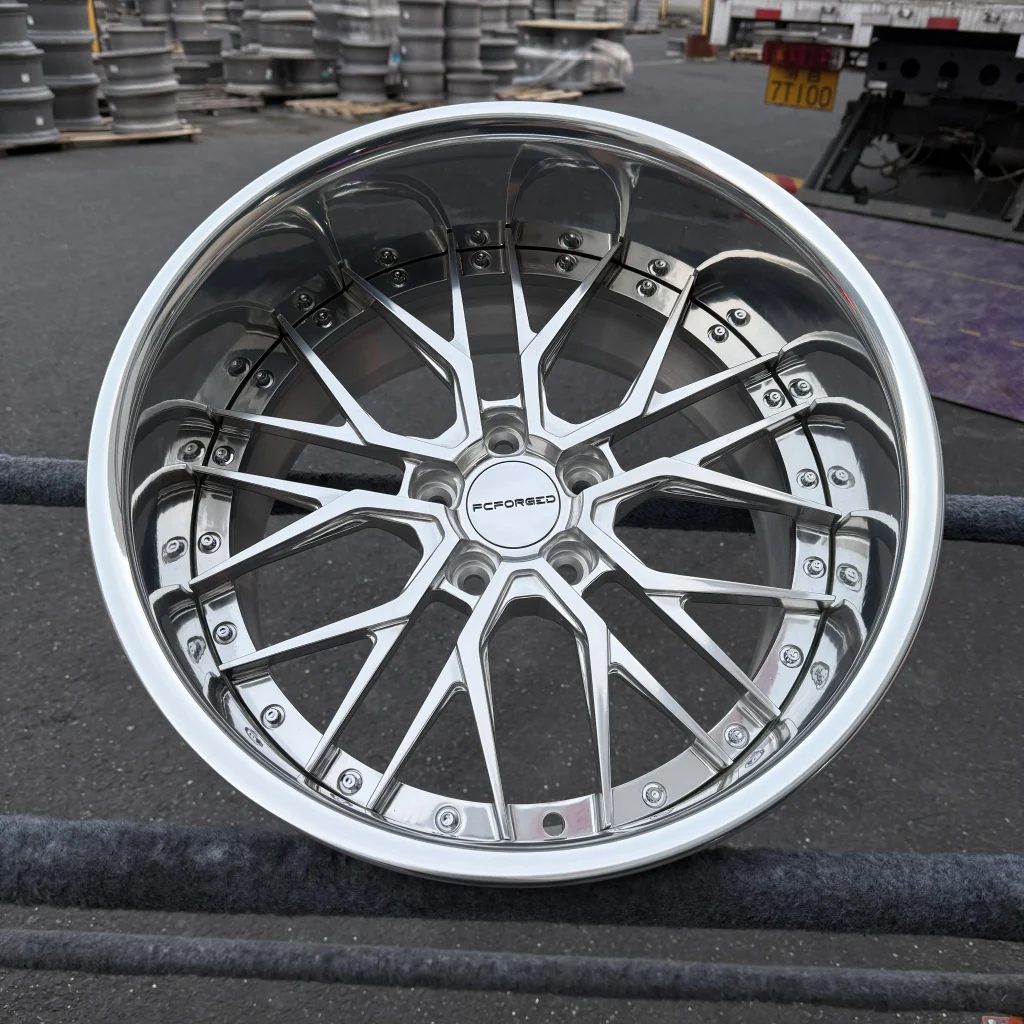
Compare both proposals against the same vehicle information and intended front and rear setup. Then ask what face profile, lip appearance and finish each proposed design can provide. A photograph is useful for showing your preference; a confirmed drawing and specification establish what you are ordering.
Keep lip depth and face shape separate in that discussion. A deep-looking lip does not tell you the spoke profile or establish brake clearance. In the Vossen x Work example above, available face profiles and lip combinations depend on the application. Treat your preferred appearance as a design request until the proposed configuration has been reviewed.
Use this comparison worksheet to keep the two proposals on the same basis:
| Compare | Give both proposals the same starting point | Ask for |
|---|---|---|
| Vehicle and use | Year, model, trim, intended use, brakes and suspension changes | A review that identifies any missing vehicle information |
| Front and rear fitment | Proposed diameter, width, offset, bolt pattern, center bore and tire details | A specification for each axle, with open items clearly marked |
| Face and lip | The same visual references and desired profile | A drawing or render showing what is achievable in the proposed configuration |
| Finish | Separate preferences for the face, lip and other visible areas | Confirmation of available treatments and the areas each treatment covers |
Record differences between the proposals instead of assuming they are interchangeable. If a different size or profile is proposed to achieve the look, have that change reviewed before approving it. Our custom forged wheel quote checklist explains which vehicle details and measurements to prepare for that review.
Compare measured weight and load evidence on the same basis
Compare documented weights for the proposed configurations, rather than choosing by piece count. For example, Forgelite’s product FAQ identifies size, design, vehicle application, load rating and intended use as factors in its wheel weights. That is a reason to request configuration-specific figures, not a weight ranking for all monoblock and two-piece wheels.
Keep these three records separate in your comparison:
- Estimated weight: label a design estimate as an estimate and identify the proposed configuration.
- Measured weight: request a scale photo or measurement record with the model, diameter, width and offset. Record front and rear wheels separately. State whether the figure includes a tire, center cap, valve or other accessories, and compare equivalent contents.
- Load and test evidence: request the specified wheel load rating and any supporting analysis or test report, with the configuration covered, test method and result identified. Ask how the evidence applies to your vehicle and intended use.
Keep computer simulation and physical testing distinct. Vossen describes both FEA simulation and physical testing in its engineering process; a simulation report should not be presented as a physical test result. These examples do not establish the test status of FcForged products.
If a figure or document is unavailable, mark it “not provided.” A lighter quoted weight does not, by itself, establish that the wheel meets your load requirements.
Ask what can be serviced or replaced
Confirm the service route for the exact model before treating replaceable parts as a reason to buy. The welded two-piece example above shows why separate components do not automatically mean an owner-serviceable assembly. Structural fasteners alone also do not establish a manufacturer-approved rebuilding service.
Ask the supplier to confirm:
- Whether a damaged rim or center can be assessed for replacement, and whether matching parts remain available.
- Who evaluates damage and performs any approved work, and whether the complete wheel must be returned.
- What the service quote includes: inspection, parts, labor, refinishing and return shipping.
- Which cleaning and inspection instructions apply to the selected finish and assembly, and how service affects warranty coverage.
For a concrete policy example, Forgeline’s limited warranty excludes wheels repaired or altered by another party. That is Forgeline’s policy, not FcForged’s, but it shows why the service provider and warranty terms belong in the comparison.
When reviewing a proposal from FcForged, request model-specific confirmation of the joining method and available service options. Until those details are confirmed, do not count on barrel replacement or rebuilding when choosing your wheels. Use the manufacturer’s instructions for any inspection interval or assembly work.
Compare the complete quote, then choose for your priorities
Request itemized quotes for the same front and rear configuration, wheel quantity, finish and delivery destination. Check whether each total includes center caps, valves or TPMS components, mounting hardware, packaging and shipping. Ask which taxes or import charges are included and who is responsible for any exclusions.
Record the production estimate separately from transit time, including what starts the production clock. Confirm payment stages, design-change charges and the steps for approving the final specification. This makes differences in the quoted totals visible without assuming one construction is always cheaper.
Use your priorities to choose between the proposals:
- One-piece construction: favor the monoblock proposal if that structure matters to you and its reviewed fitment, appearance and documented requirements meet your brief.
- A particular face-and-lip combination: favor the two-piece proposal if its confirmed configuration delivers that appearance and its complete cost and service terms suit your plans.
- Weight or future service: decide from the configuration-specific records and written service options. Keep the decision open if the evidence for your main priority is missing.
When ordering from FcForged, you receive drawings and renders for review, and production starts after you confirm approval to proceed. Keep the selected specifications and finish with that approval so the design you choose is the design being ordered.
Share your vehicle, front and rear requirements, preferred finish and the two designs you want to compare. Request a specification review before approving production.